A profitable acquisition programme can look healthy in-platform while quietly losing money after the click. Meta may report efficient purchases, Google may show strong conversion value, and yet new customers may be discount-led, poorly retained or expensive




When paid campaigns appear to be generating traffic but reported purchases or leads suddenly drop, the issue is not always creative, targeting or budget. Before changing a campaign that may be working, you need to know how

A Meta campaign can hold a healthy CPA for weeks, then quietly lose traction while targeting, budget and the offer remain unchanged. The usual reaction is to blame the platform or broaden audiences. Often, the more immediate

A polished brand film can still earn attention, but it is no longer a reliable route to profitable acquisition. The paid social creative trends shaping performance now favour fast clarity, credible proof and a format that feels

A paid campaign can look healthy in-platform while the business result tells a different story. Click-through rate is holding, traffic is arriving, and spend is increasing, yet conversion rate falls and customer acquisition costs climb. Landing page

A £50,000 monthly paid social budget can look healthy in-platform while quietly eroding margin. That is why the TikTok ads vs Instagram ads decision should not begin with CPM benchmarks or whichever platform is getting the most

Paid media gets expensive when every platform is making decisions with partial information. A strong first party data guide is not about collecting every possible customer detail. It is about building a consented, usable view of the

A paid social dashboard can show a strong return while total revenue barely moves. Google can appear to close every high-intent sale while demand was actually created by video, creators or offline activity weeks earlier. That gap
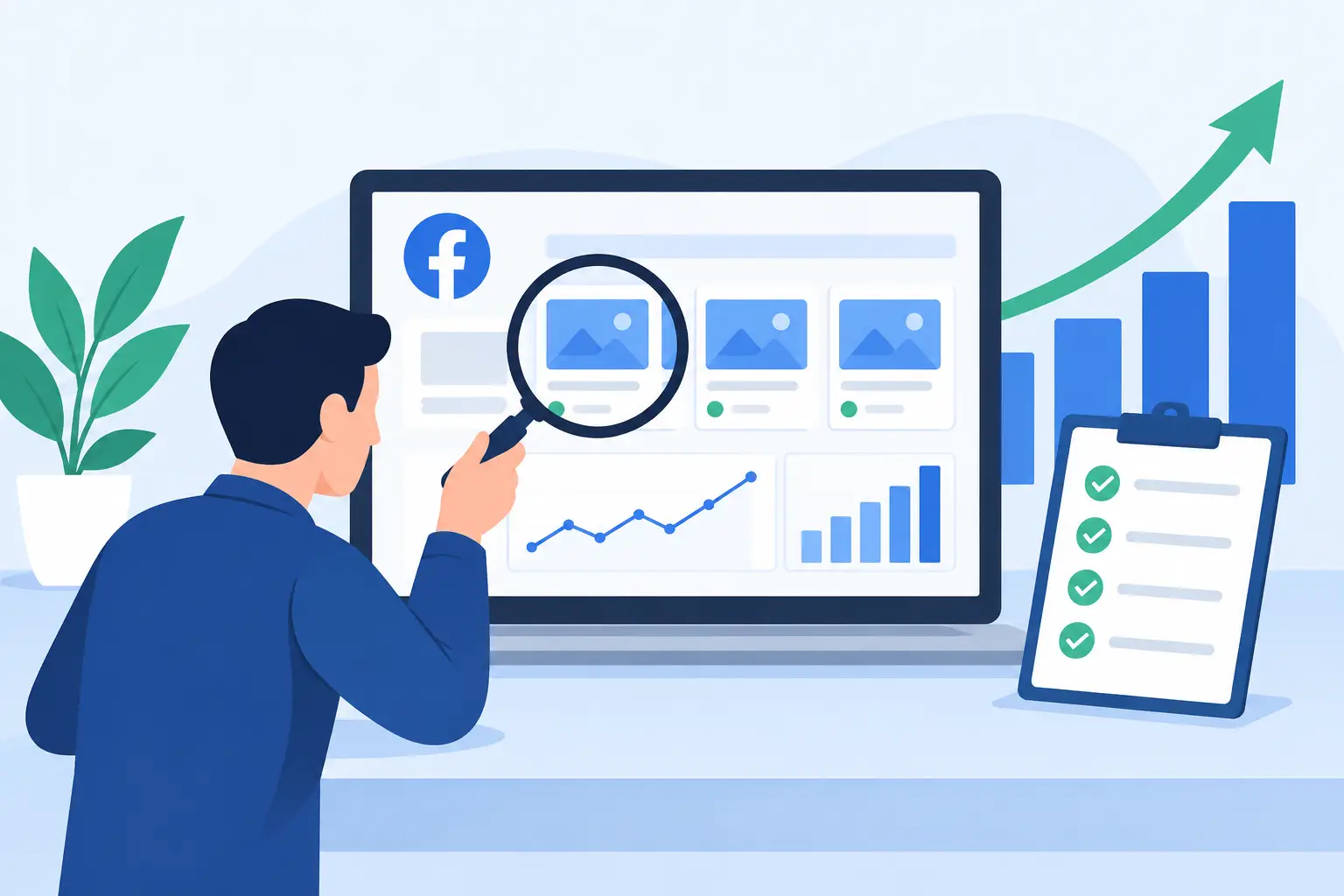
A Facebook account can report a healthy return on ad spend while the business is quietly losing margin, attracting low-quality leads or exhausting its best customers. That is why knowing how to audit Facebook campaigns means looking

Your Meta account can report a 4x return while total business revenue barely moves. That gap is where many otherwise strong brands make expensive scaling decisions. Knowing how to calculate blended ROAS gives you a business-level view
Recent Posts
How to Diagnose Pixel Tracking Problems Fast
October 21, 2026
Creative Fatigue Warning Signs to Act On
October 19, 2026
This site is not a part of the Facebook™ website or Facebook™ Inc. Additionally, this site is NOT endorsed by Facebook™ in any way. FACEBOOK™ is a trademark of FACEBOOK™, Inc.